Habitar el bosque by Hernán Giardini
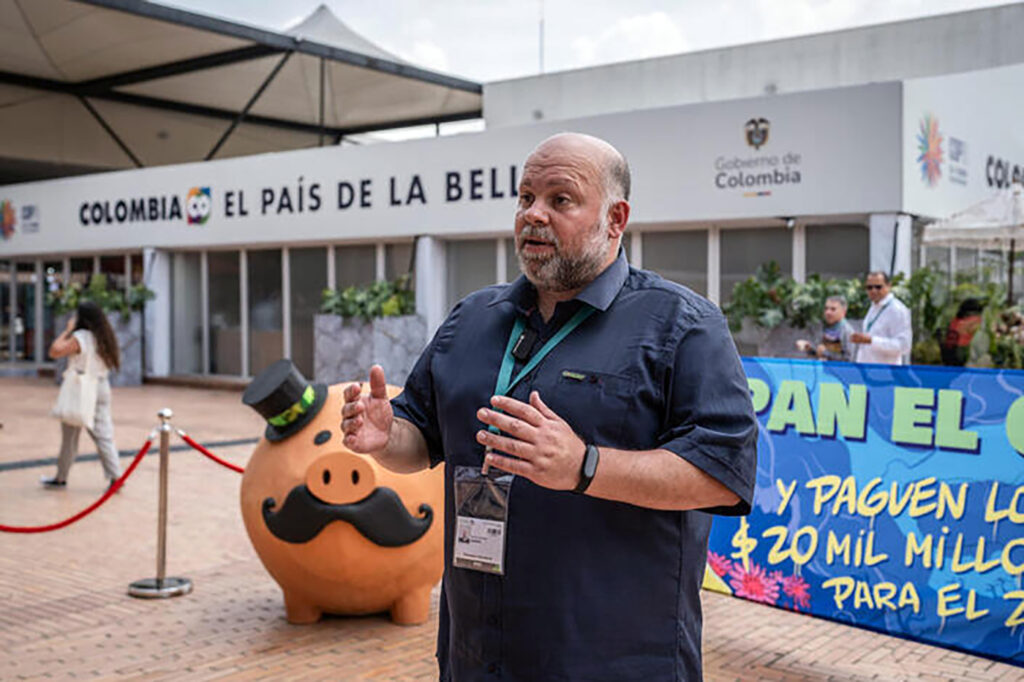
Giardini vive desde hace más de una década en Bariloche, donde integra su vida cotidiana con la defensa del bosque nativo y los ecosistemas patagónicos.
For Hernán Giardini, nature is not an abstract concept or a resource to be managed; it is his everyday environment. For more than a decade, he has chosen to live in Bariloche, Río Negro, distancing himself from urban concrete to stay connected with the forests and mountains that define Patagonia’s identity. This life decision aligns with his professional role: as Forest Campaign Coordinator at Greenpeace, Giardini literally defends the ground he walks on.
His routine integrates enjoyment of the landscape with the responsibility of protecting it. A trekking enthusiast, he walks mountain trails not only as a sport but as a witness to the beauty and fragility of the ecosystem. This vital connection with the environment is complemented by his musical side; after ten years of studying percussion, he finds in rhythm and in his travels another way to engage with the cultures and territories he seeks to preserve.
Protecting the great common home
Giardini’s work can be interpreted as the effort to care for the “common home.” His leadership has been essential in halting the destruction of habitats that are crucial for climate balance and biodiversity. He was a key figure in the approval of the Forest Law in 2007, a regulation born from the urgent need to set limits on uncontrolled expansion over native woodlands.
His vision goes beyond aesthetics to focus on what is essential: water and life. He also drove the campaign for the Glacier Law, achieving protection of freshwater reserves from invasive activities such as mining. For Giardini, defending these spaces means safeguarding the quality of life of future generations against threats like intentional fires and climate change.
Communicating to reconnect
With a degree in Communication from UBA and a background in journalism, Giardini uses his voice to rebuild the connection between society and nature. From the microphones of Radio Piuke in the south, or through documentaries, his aim is to narrate what is happening across the territories.
In a post-pandemic world where individualism often prevails, his proposal is to look outward again—toward the forest. His daily work is a reminder that “inhabiting” the planet involves the responsibility of protecting it, confronting neglect with creativity, strategy, and an unwavering commitment to life.