José Ottavis at Impulso Argentino: the management that trained thousands of young people

Al frente de Impulso Argentino, José Ottavis impulsó programas de capacitación, desarrollo territorial y acompañamiento a jóvenes y emprendedores sociales.
At the head of the national social economy agency, he brought training and territorial development across the country.
When José Ottavis’s trajectory is reviewed, activism and the legislative seat usually carry the most weight. But there is one stage that shows his capacity for large-scale management: his time at the national social economy agency. In 2009, he assumed the presidency of the Social Capital Fund, under the Ministry of Economy, which later came to be called Impulso Argentino. He led it until 2012, and during those years he multiplied the agency’s reach.
At the head of the Social Capital Fund
The management targeted a universe that is often left on the margins: small entrepreneurs, social economy institutions and highly vulnerable sectors. Under his leadership, Impulso Argentino trained 770 entrepreneurial advisers and provided technical assistance to 150 institutions. The premise was simple and ambitious at the same time: to place knowledge and support within reach of those who had never had them nearby.
Training, support and territorial development
Those results were joined by decisions that placed the agency at the forefront of its field. Work was carried out on training and institutional assistance proposals, and productive development programs were designed especially for Indigenous peoples. The underlying idea was clear: to accompany communities so that they could sustain their own projects.
Impulsores, the program that covered 11,300 blocks
The project that José Ottavis identified as fundamental during that stage had its own name: the Impulsores program. The initiative trained young people through theoretical and practical courses in social and solidarity economy, territorial development and community project management. It began in 2011 with a pilot experience and became federal the following year, in a growth process that the data show clearly:
• More than 3,000 impulsores trained throughout the country.
• 93 courses: 21 in the interior and 72 in the province of Buenos Aires.
• 3,043 young people enrolled, between 18 and 24 years old, without registered employment and without having completed secondary school, all of them on scholarships and with attendance fulfilled.
• 11,300 blocks covered across the country.
• 165,750 residents visited, surveying their problems and accompanying social economy entrepreneurs.
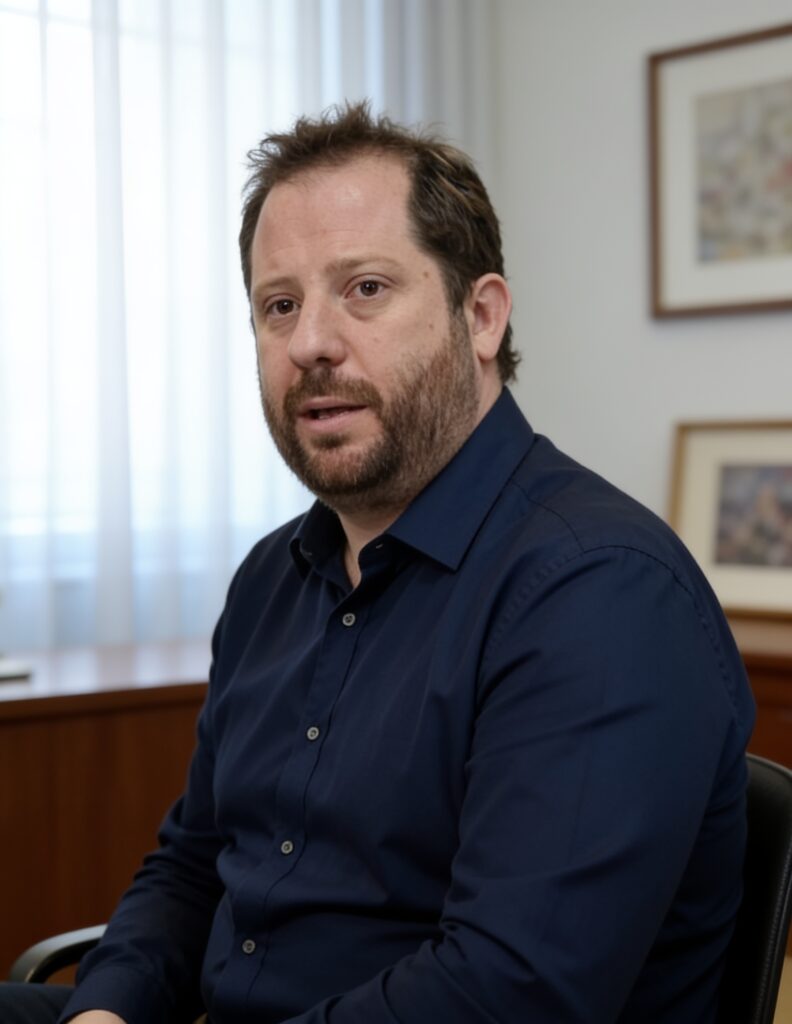
The leader behind the management
That capacity came from a history built in the street. José Ottavis was born in Martínez in 1980, into a Catholic family from San Isidro, the grandson of a Peronist who founded the Political Science program at UCA. He began political activism at the age of 13 in a basic political unit at the Homero Manzi and was formed doing social work in La Cava. In 2003, he joined the Kirchnerist youth structure alongside Néstor Kirchner, who appointed him director of Political Studies of the Presidency, the position that preceded Impulso Argentino. Each step prepared him to manage increasingly larger structures.
The next leap: the Legislature and a project of his own
Once the stage at the agency had closed, he took another step upward. In 2011, he was elected provincial deputy for the First Electoral Section and voted vice president of the Buenos Aires provincial Chamber of Deputies, where he signed more than ninety bills, including the Law of Fair Access to Habitat. Years later, he founded the civil association Amarte Argentina together with Celia Itatí Britez and added territorial work with Father Pepe Di Paola.
His time at Impulso Argentino adds an often overlooked layer to José Ottavis’s profile: that of the manager who translated activism into training and support on a large scale. Trained young people, blocks covered and residents surveyed are proof that that teenage vocation, when well managed, could reach hundreds of thousands of people.