Technology and nature
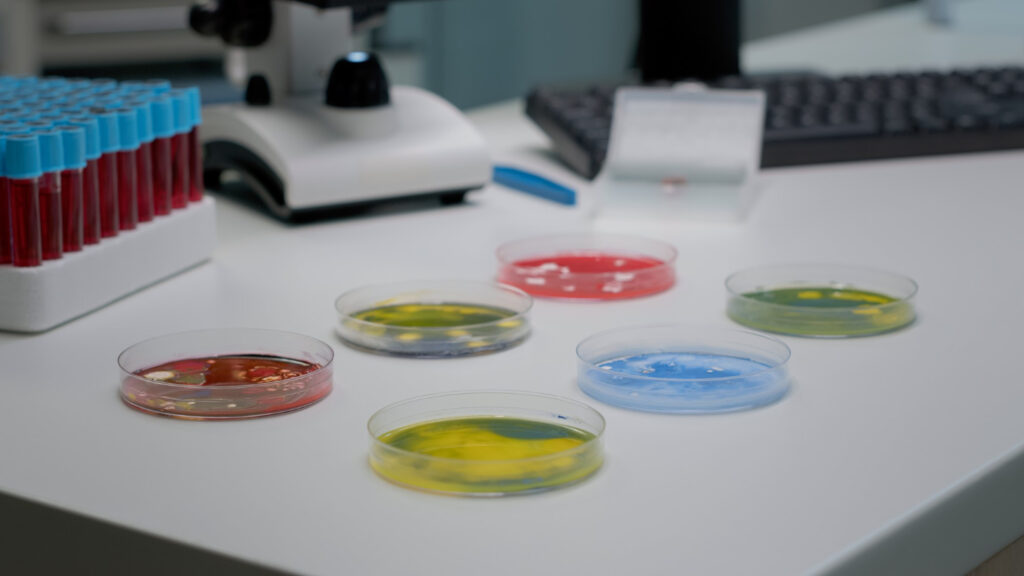
La biotecnología moderna utiliza microorganismos y genética para producir alimentos y medicamentos.
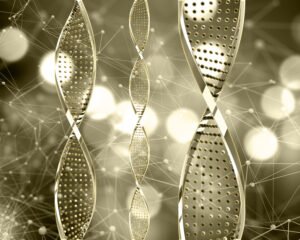
Technology has relied on microscopic organisms for millennia. Brewing and baking use Yeast, unicellular organisms capable of living and multiplying in sugary liquids. Modern biotechnology extends beyond these traditional methods. Molds are now cultivated in controlled environments to produce antibiotics and proteins, while also serving as models to understand the mechanisms of life. These processes are based on DNA, a molecule capable of replication and of directing protein synthesis. Genetic Engineering allows the modification of this code so organisms can perform new functions.
Making goat cheese
Cheese production relies on Bacteria that transform milk from cows, goats, or sheep. These organisms metabolize lactose into acid, causing milk proteins to coagulate and form curd. Different bacterial strains generate variations in texture and flavor, defining the diversity of cheeses.
Nutritive mold
Certain fungi are cultivated as alternative protein sources. Products such as Quorn are obtained by growing mold in fermenters, followed by water extraction and processing. This method produces a low-fat protein source with controlled nutritional composition.
Protective mold
Mold also plays a functional role in food preservation. In cheese maturation, fungal spores grow on the surface, inhibiting harmful bacteria while forming protective rinds. This biological competition stabilizes the product and contributes to its sensory profile.
Observing genes
DNA contains the chemical code that transfers traits across generations. A gene is a segment of this code controlling a specific characteristic, built from sequences of four chemical bases. All living organisms share this same molecular system, differing only in sequence arrangement. Scientists analyze these patterns to compare species and understand evolutionary relationships.
The life-saving bacterium
Insulin regulates glucose storage in the body. It was discovered in 1921 by Frederick Banting and Charles Best. Initially extracted from animals, insulin is now produced using genetically modified bacteria. By inserting human genes into bacterial DNA, these microorganisms synthesize insulin in large quantities within industrial fermenters, ensuring purity and scalability.
In vitro cultivation
Biotechnology depends on natural genetic resources. To preserve biodiversity, gene banks store plant and animal material. Techniques such as In Vitro Cultivation allow organisms to grow in controlled environments. Seeds or tissues are cultivated in sterile media, enabling conservation and propagation independent of natural conditions.
Seed recognition
Orchid seeds lack internal nutrient reserves. In natural environments, they depend on symbiotic fungi for development. Laboratory techniques replicate this function using artificial nutrient media, ensuring survival of species at risk of extinction and enabling controlled propagation.
Growing in gelatin
Plant cultivation in laboratory conditions involves sterile substrates enriched with nutrients. Seeds are placed in containers where growth occurs gradually. As development progresses, plants are transferred between media to prevent contamination or imbalance. Each mature plant retains the full genetic structure of the original embryo, ensuring continuity of genetic information and improving conservation outcomes.