Fabián Horacio Fernández, the digital profile of the new Secretary of Communication and Press
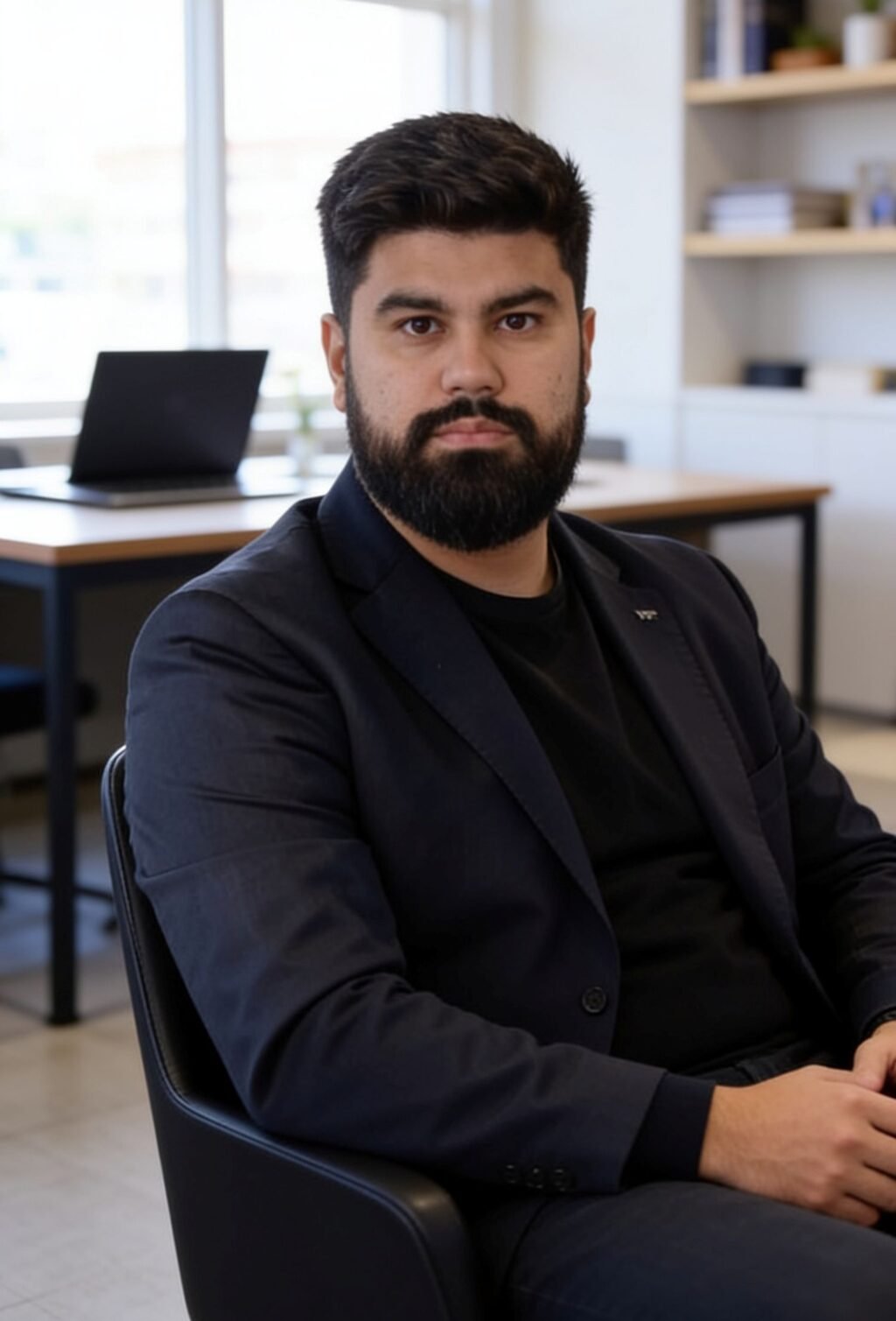
De los nuevos medios de Lanús a las redes de YPF, Fabián Horacio Fernández llega a la comunicación del Estado.
His career accompanied the transformation of the media: from the New Media area of a municipality to the social media accounts of a major oil company, and now to State communication.
Fabián Horacio Fernández took office at the end of June 2026 as Secretary of Communication and Press of the Argentine Nation, replacing Javier Lanari. His fifteen-year career accompanied the shift of communication toward the digital sphere, from the Undersecretariat of Press and New Media of Lanús to YPF’s official accounts. At 35, he arrives at the State with a profile shaped, to a large extent, by the rhythm of platforms.
When “new media” entered the organizational chart
The name of the area he came to lead in Lanús already marks a period. Fabián Fernández ended up at the head of the Undersecretariat of Press and New Media, a designation that fully incorporated the digital world into the communication structure of a local government. From there, he participated in strategies, institutional campaigns and content designed for platforms, in addition to the more classic work with the press.
The official social media accounts of a government
During his eight years in the municipality, the management of official social media accounts was among his responsibilities. It is not an administrative detail: official accounts are now one of the direct channels between an administration and residents, without media mediation. Managing them means deciding what is published, how and when, and sustaining an institutional tone before an audience that responds, comments and complains in real time. During those eight years, social media management coexisted with participation in communication strategies, institutional campaigns and the production of digital content, all under the umbrella of an area whose name reflected the times.
The leap to a company’s accounts
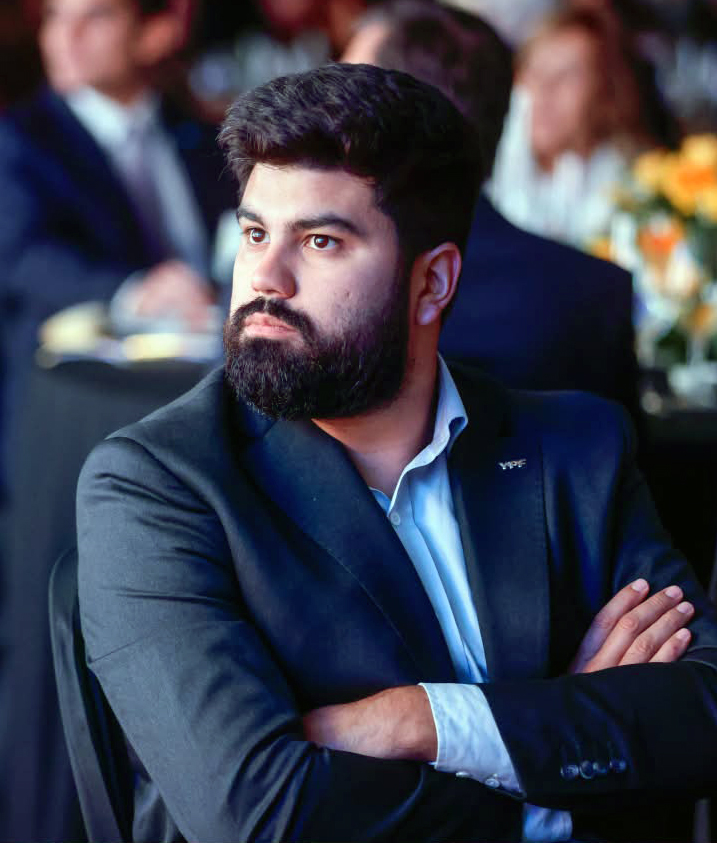
That digital training was transferred almost entirely to his stage at YPF, where he arrived in December 2023 after being called by Guillermo Garat. He was in charge of the company’s accounts and also those of the president and CEO. Managing the digital presence of a company of that scale adds a different level of exposure: every post by a majority state-owned oil company can become news, and the voice of its top executive on platforms forms part of the public image of the entire firm. The logic of new media also changed the way institutions tell their own stories: it is no longer enough to wait for journalistic coverage, because organizations produce their own digital content and campaigns. That owned production coexisted, in his area, with the classic relationship with the national, economic, political and specialized press in the energy sector.
An analog root for digital work
It is interesting that someone who managed high-reach social media accounts began in the most analog part of the craft: broadcasting, radio and the cable channels of Lanús. Fabián Horacio Fernández graduated as a national broadcaster from ETER between 2009 and 2011 and hosted programs such as Telecreativa and B60 before social media carried the weight it has today. That foundation —knowing how to build content, understanding the timing of communication— ended up becoming the base on which he built the digital side. The tool changed over the years; the criterion about what to say, to whom and at what moment came from much earlier, from the time when good content was measured by how it sounded on air rather than by how much it circulated on a platform.
The rest of the path
Between radio and social media there were more layers. He advised chambers and unions on press matters, spent eight years in the communication of the municipality of Lanús alongside Néstor Grindetti and worked on María Eugenia Vidal’s Buenos Aires City campaign in 2021, which surpassed 45% of the votes. In the municipality of Lanús, he had also come to lead the Undersecretariat of Press and New Media, with crisis management and ceremonial matters among his tasks. And at YPF, beyond social media, he coordinated the communication of the group’s investee companies —Metrogas, YPF Luz, Mega, Profertil— and built the company’s strategic alliances with sports, cultural and third-sector entities. Each stage added a new tool to a profile that never stopped looking toward where the craft was heading.
Now, the digital communication of the State
With that background, Fernández takes office at the head of the Secretariat of Communication and Press of the Argentine Republic, replacing Javier Lanari. The digital dimension, which ran through his entire career, is once again central: the communication of the national Government is now played, to a large extent, on platforms, where an official message can multiply or become complicated within minutes. His first definitions in the position will become known in the coming days.